Oct 16–18, 2026
01+Identity
ZeldaCavanaugh
The emotional interior, rendered.
I investigate how generative systems approximate human emotion. Informed by the DSM-5, neuroscience, and a needle threaded with embroidery floss.
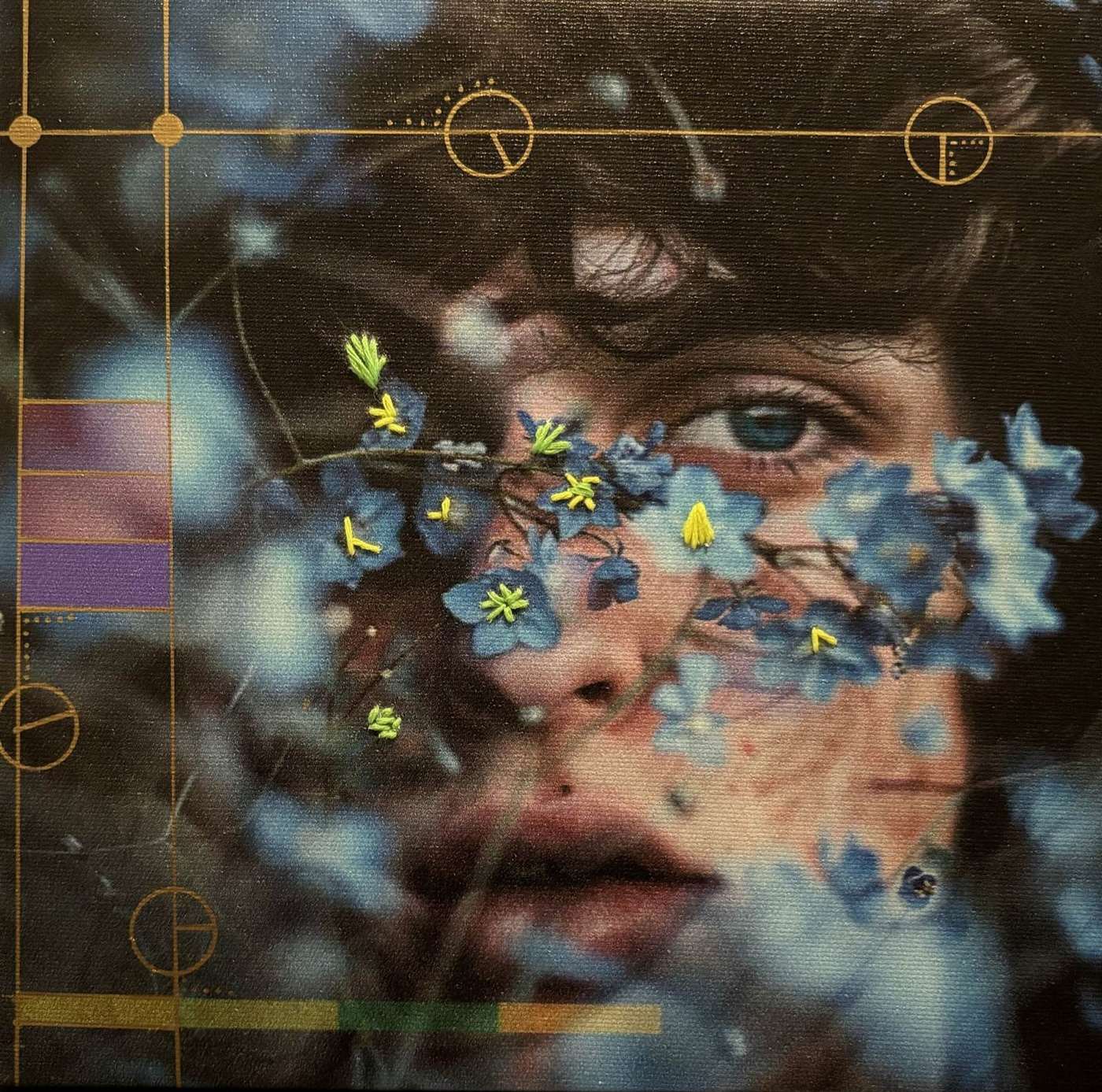
 Beloved20 × 20
02+Practice
Each work begins with a clinical question: how does a diagnostic framework, the DSM-5, translate into visual form when filtered through a generative system? The research sits at the intersection of psychology, machine perception, and the limits of language.
“Abstraction as an entry point for machines to approximate emotional nuance.”
The works are not illustrations of mental illness. They are studies in translation: what is gained and lost when psychological experience moves from clinical text, through algorithmic interpretation, and into hand-stitched image.
The process
01 / Clinical source
DSM-5 as input
Diagnostic criteria for a specific disorder become the starting point. The language is precise, categorical, resistant to image, which is exactly why it is interesting.
02 / Generation
Machine interpretation
An ecosystem of generative tools attempts to render the criteria visually. The results reveal what machines associate with grief, compulsion, anxiety.
03 / Refinement
Precision of feeling
Extensive editing in Adobe Illustrator pushes the image toward exactness, not photorealism, but fidelity to a psychological state.
04 / Suture
The hand closes the wound
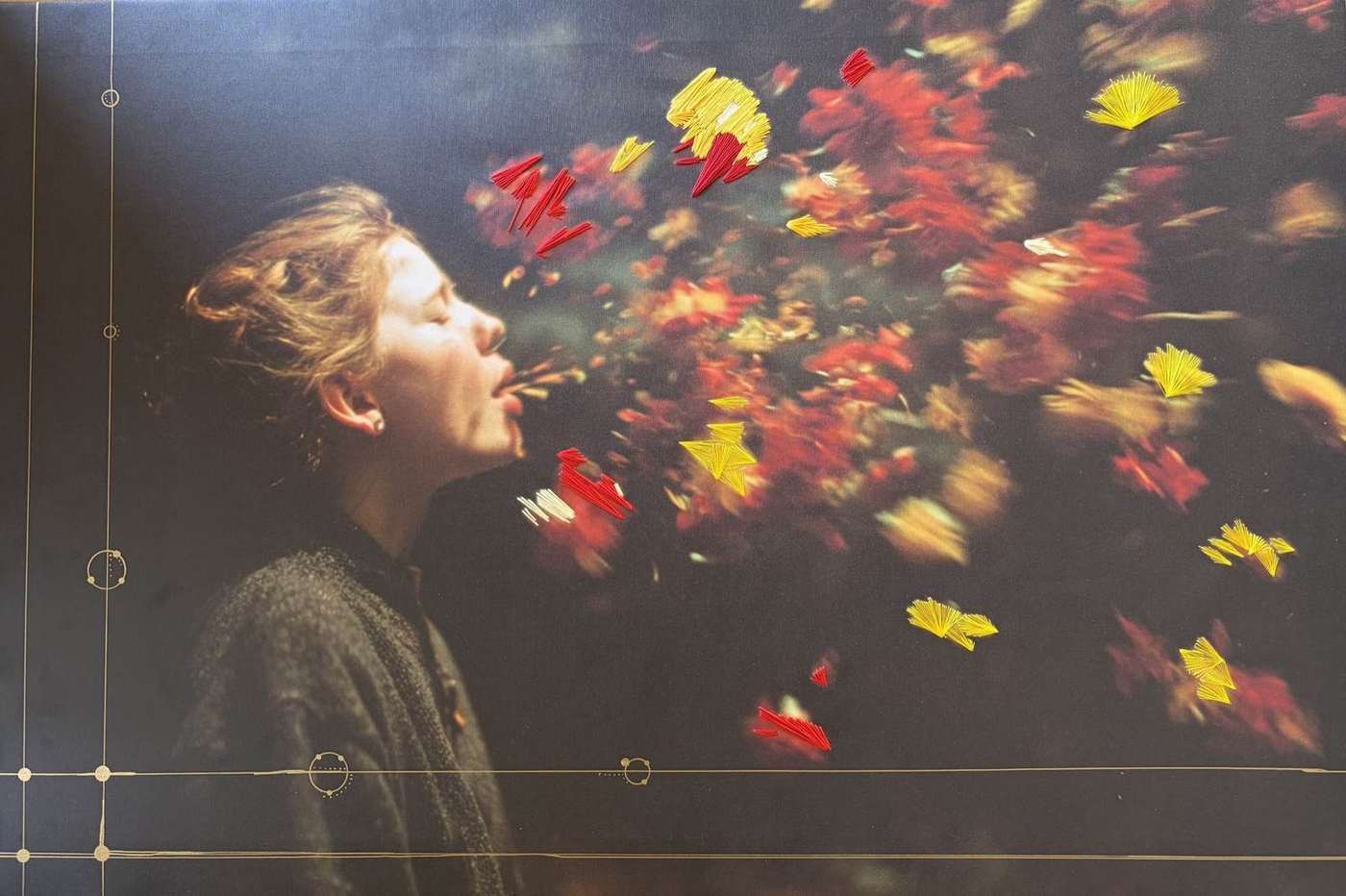
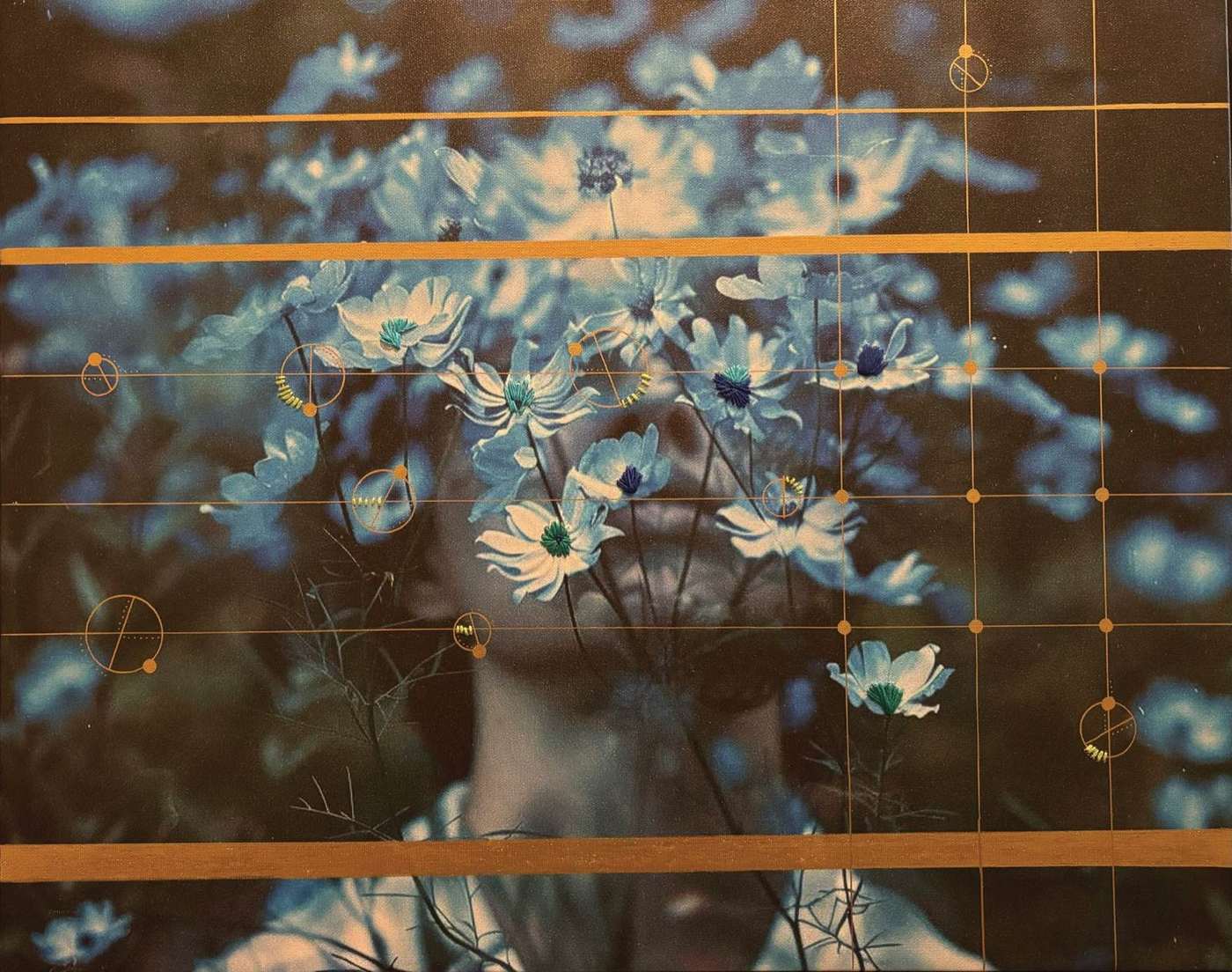
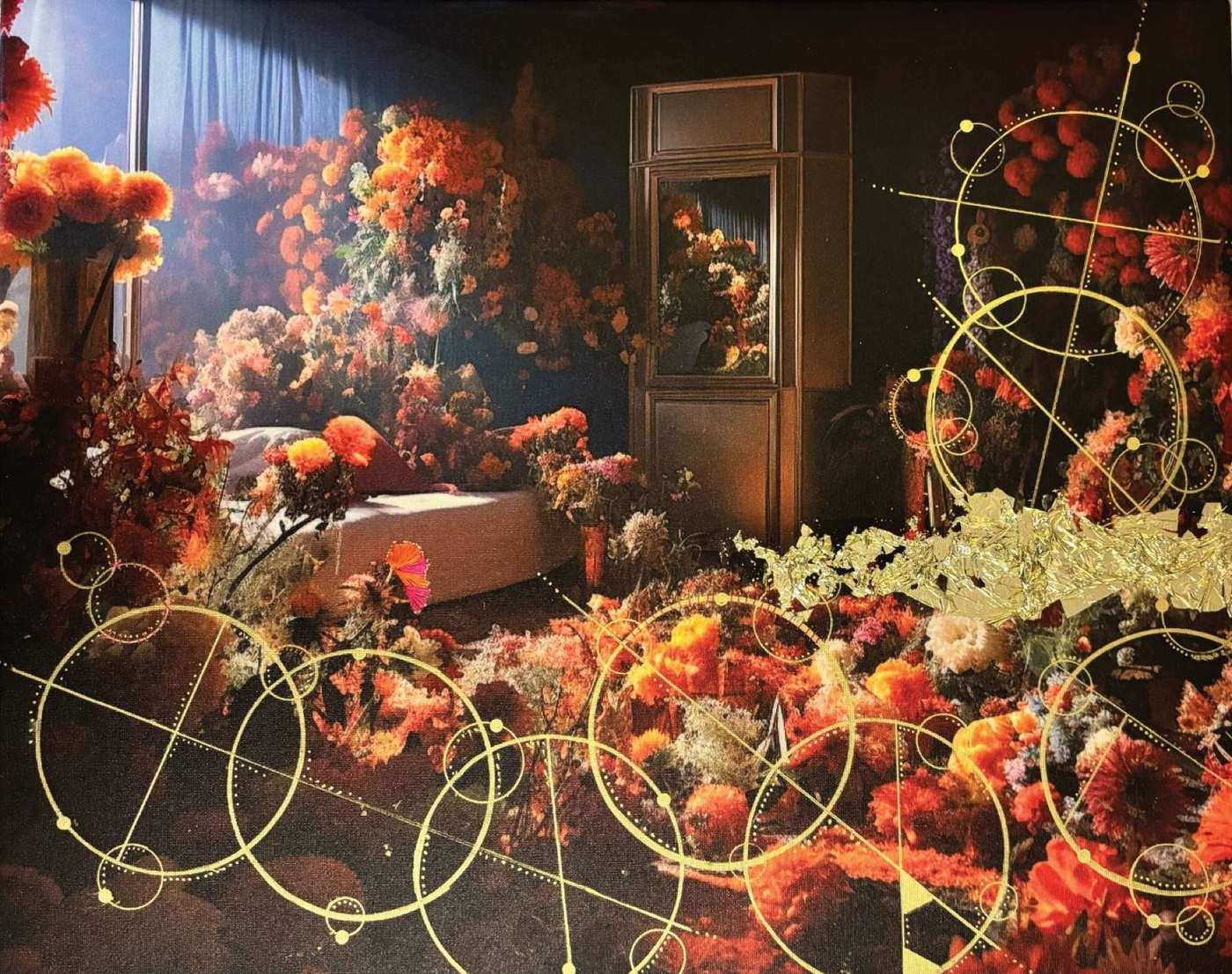
Printed on canvas, then sewn by hand using a technique learned in the funeral industry. Suturing: the act of holding something together that has been opened.
03+Selected

04+Press
All press“Zelda Cavanaugh has created a new visual language that is uniquely her own.”